Is this offsetting, or reduction?
Strictly, reduction: these systems cut the emissions your own operation produces. An offset is a credit you buy to cover what remains. Cutting is cheaper than buying, and it shrinks the amount you would ever need to buy. If your target still needs credits, you will need far fewer of them.
Does switching to induction alone reduce our carbon?
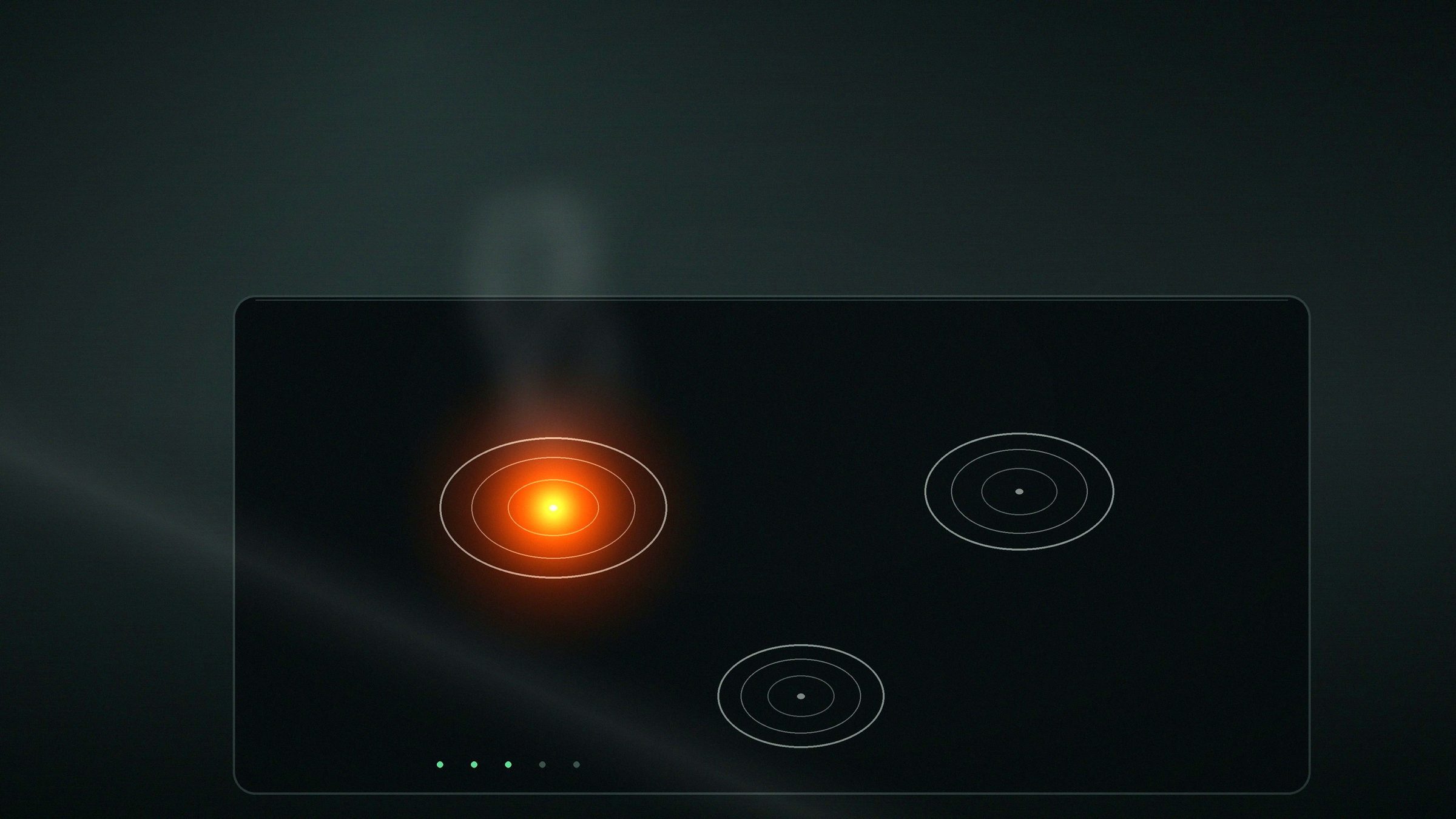
On energy, yes, by more than half. On carbon, only if the electricity is clean. India's grid averages about 0.7 kg of CO₂ a unit, so a kitchen moved from LPG to grid induction ends up roughly level, or a little higher, on cooking carbon while paying about half as much for it. The grid factor falls a little every year, and a green tariff or open-access contract changes it immediately. Solar on your own roof changes it most.
Can we sell carbon credits from this?
Sometimes. Registration depends on the programme, the methodology and the size of the project, and the rules under India's Carbon Credit Trading Scheme are still being written for many sectors. What we can promise is the evidence: metered generation, storage and consumption, month by month, in a form a registry or a verifier can work from.
How much roof does it take to run a kitchen?
A kitchen burning 40 commercial cylinders a month needs about 47,000 units a year on induction. At 1,500 units per kWp that is a 32 kWp plant, which sits on roughly 250 to 320 square metres of unshaded roof, or the equivalent in a carport. Bigger kitchens scale in proportion.
What about the carbon in the panels and the batteries?
It is real, and it is repaid. A module repays the carbon of its own manufacture in roughly one to two years of Indian sun and then generates for another twenty-three. A battery repays its embodied carbon through the diesel and coal-fired units it displaces, typically within a few years of daily cycling. We count both when you ask for a life-cycle figure.
We already buy green power. Does that change the numbers?
Yes, in your favour. If your supply contract carries a lower factor than the grid average, the induction step cuts carbon on its own, and solar on the roof then adds the price protection rather than the carbon. We use the factor in your contract, not the average.